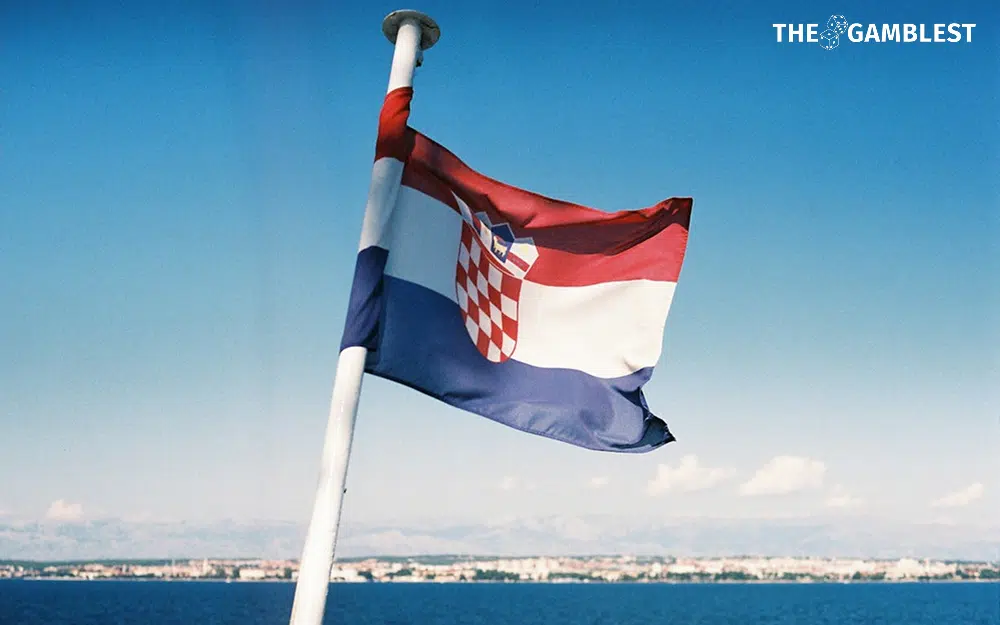
Croatia’s domestic gambling market is strongly opposing the offshore betting market that operates without regulation.
One of the largest associations of nationally licensed operators has turned against major international payment providers with a campaign. The group compels these global entities to immediately disconnect the channels for unlicensed gambling websites.
In spite of national tax laws clearly forbidding the making of payments to the platforms that are not registered, industry insiders tell that the rules get violated on a regular basis. Hence, the trade association is mulling over the option of joining hands with banks to bring about a change in compliance and also watch transactions more closely throughout the sector.
To back up their charges, the local trade association went on with a deep probe into the issue of how strictly the ban on payments is being enforced.
They zoomed in on the matter of how easily the players of the local market can get around the rules by using the instance of seventeen unlicensed foreign betting platforms.
Testing Loopholes Reveals Enforcement Gaps
Concurrently, testers utilized various payment methods that are common with customers, including local bank cards, prepaid vouchers, and mobile banking apps. The idea was to find out the regulatory loopholes that permit the underground betting market to operate freely and without any restrictions.
The financial tests revealed that the present regulations that had been in place were very inadequate. Results of the tests showed that normal bank cards of locals could still be used to send money to about 50% of the illegal sites that were checked. On the other hand, when using the popular prepaid vouchers, the situation got even worse as these devices were working perfectly on all the sites tested, effectively bypassing any kind of security and/or regulatory restrictions. The transfers were carried out almost immediately without any suspicion being raised. In some situations, it might have been difficult to cash out the winnings, but other methods of digital banking still enabled players to withdraw their money without any inconvenience doing so.
Industry Crackdown and Economic Losses
It is understandable that the national banking system would be very much in support of their current security measures because they are the ones that implement them. Local banks, in fact, have been very loud about the fact that they are strictly complying with all the rules of the state. However, it is only members of the licensed gambling industry who can, on the ground, tell from their tests that the reality is full of serious enforcement failures. Even then, the campaign is already creating a buzz. Ever since the Croatian trade union intervened in the matter, some of the largest online casinos, which are foreign, have, at least, voluntarily limited their operations. The trade union is also continuously filing complaints with the authorities about the affiliate websites that display these unlicensed operators.
The key factor behind such a tough crackdown is the major loss of public revenues over a broad area. Experts claim that the unregulated offshore market is annually draining a huge sum from Croatia’s economy and they put the figure at around 250 million euros of the national budget losses due to the non-payment of taxes and non-collection of licensing fees. The foreign unlicensed bookmakers do not contribute at all to the public services or consumer protection funds while they make large profits. The licensed gambling industry has the potential to attract players again to a fully controlled and taxable system through the elimination of these financial flows.