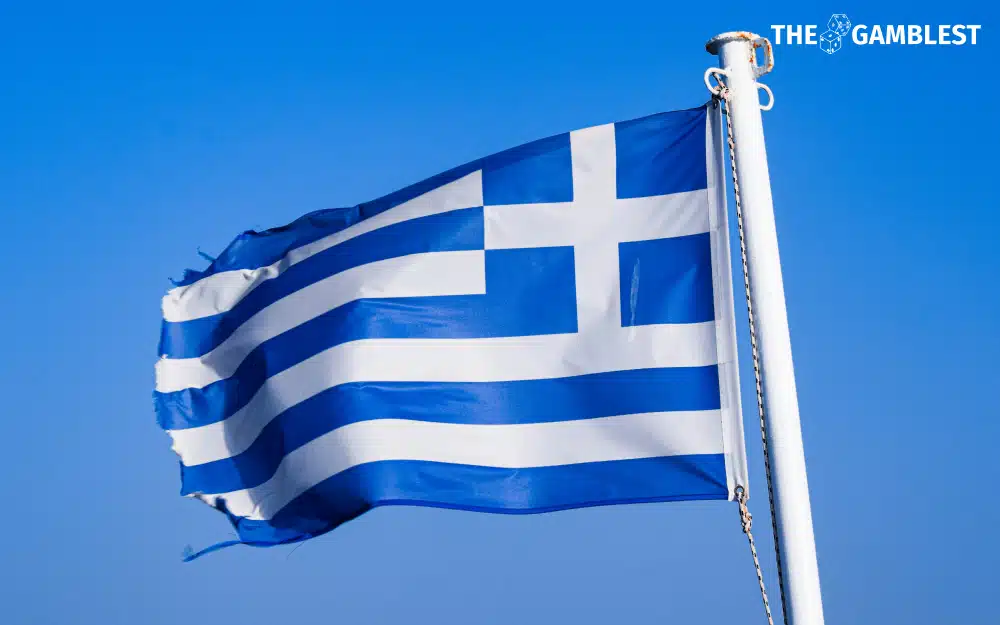
Greece is steadily strengthening its position within Europe’s iGaming landscape, transforming from a secondary Mediterranean jurisdiction into a key operational hub for multinational operators and suppliers.
While traditional regulatory centres such as Malta and Gibraltar long dominated the European iGaming scene, Greece has quietly built a robust ecosystem of technology providers and corporate offices, particularly in Athens.
Today, several global gambling companies maintain significant back-office, compliance, trading, and technology operations in Athens, allowing the country to punch well above its geographic weight in the wider European market.
The Greek market continues to post consistent financial growth. Analysts estimate that gross gaming revenue (GGR) is increasing by approximately 15% annually, with expectations that the market could soon surpass €1.5 billion in regulated revenue.
Recent projections indicate total gambling turnover reached €28 billion in early 2024, with roughly €20 billion of that amount generated through online betting platforms. This sharp digital shift highlights the accelerating migration from retail wagering to online channels a trend mirrored across Europe but particularly pronounced in Greece.
Greece presents attractive opportunities for international operators targeting high-value players. Many bettors maintain accounts across multiple online platforms, creating clear opportunities for operators to compete for greater wallet share.
Despite its growth, the market remains relatively unsaturated compared to larger European jurisdictions. Approximately 20 licensed brands are currently active nationwide, leaving room for expansion. At the same time, retail betting still accounts for around 40% of total market activity, signalling strong potential for further digital conversion as operators modernise customer acquisition strategies.
Ongoing Challenges and Structural Risks
Despite its momentum, the Greek market faces several structural challenges. Illegal online gambling networks continue to operate alongside the regulated sector, requiring sustained enforcement efforts.
Additionally, the national regulator faces resource constraints that could limit rapid responses to emerging technological risks. Operators must also navigate a relatively high 35% tax rate on gross gaming revenue, which can impact margins and long-term competitiveness.
Competition for specialised AI and data talent is intensifying as more companies establish operations in the region, further raising operational costs.
Industry observers view Greece as one of the most dynamic emerging centres in Europe’s digital gaming ecosystem. Improvements in financial infrastructure, secure payment technologies, and regulatory alignment are reinforcing investor confidence.
As multinational operators continue expanding their footprint in Athens, the combination of regulatory stability, technological talent, and sustained revenue growth positions Greece as a formidable and increasingly influential player in the European iGaming market.