
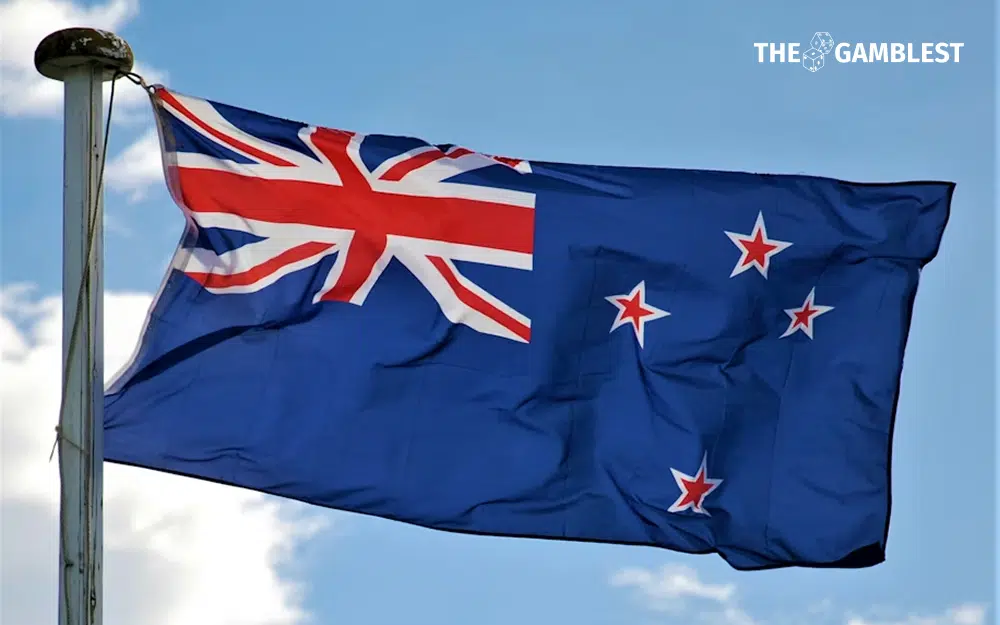
New Zealand’s new online gambling framework is now in force. From 1 May 2026, the Online Casino Gambling Act 2026 officially took effect, with regulators quickly moving into the implementation phase.
One of the immediate changes concerns advertising. Unlicensed operators are now at clear risk if they promote online casino services to New Zealand users.
While offshore operators were previously restricted, enforcement powers have now significantly strengthened. The Department of Internal Affairs can require ads to be removed and impose penalties of up to NZ$5 million.
States are taking a more proactive approach by asserting control prior to issuing licenses because of the number of applications expected during the transition period. Operators will face substantial risks on whether they will be able to compete for a license due to the potential impact on their licensing applications based on current practices.
July 2026 will mark the start of formal licensing with the Expression of Interest (EOI) process, which, contrary to its title, is an established process for operators to submit additional data about each brand they wish to license via the government’s tender platform.
Auctions will be used to issue licenses (therefore there will be no guarantee of a license being issued).
Operators will bid at various levels during the bidding stage, from entry to exit, based on the bid amount rising. This process will most likely put larger, better-capitalized operators at an advantage and will likely squeeze smaller operators out of the bidding.
If the auction is completed as scheduled in September, this will be a significant event for determining the market structure moving forward.
Once successfully bid on, operators will then move to submit full license applications in October. A key milestone is December 1, 2026, when no operators without an active application will be able to provide services.
The licensing framework is anticipated to be fully functional in 2027, with licenses issued and enforcement fully operational.