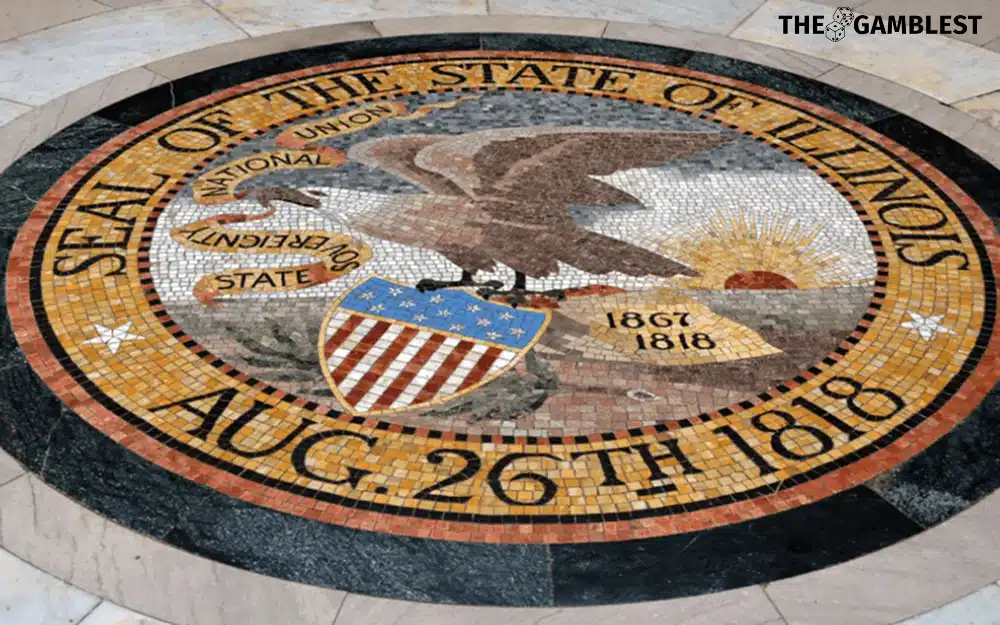
The Illinois Gaming Board (IGB) has issued cease-and-desist notices to 65 online gambling operators who, the Board says, have allegedly been permitting players from Illinois to access their sites and has warned them to comply or face legal action.
According to the Board, this work was done in conjunction with the Office of the Attorney General of Illinois.
Stake is one of the brands mentioned in the industry reports along with High 5 Casino, Fliff, Pulsz, Modo, and JefeBet.
The letters are a very clear warning: stop selling to Illinois residents or shut down your business. The agency also warns that ignoring such notice could lead to the institution of civil or criminal proceedings since the sites are illegally providing gambling products in the state.
Illinois is making it very clear who is authorized to provide gambling products in the state. In a cease-and-desist letter released publicly, the IGB states that it has evidence to believe that the recipient unlicensed sports betting operations in Illinois, and therefore, has violated state law, including the Illinois Sports Wagering Act and the Illinois Criminal Code.
The letter in a very clear way communicates the state’s stance: In their view, sports betting covers all kinds of sports wagers made online and via mobile devices and players in Illinois will only be able to legally use offerings of those which are licensed by the IGB.
IGB chief Marcus D. Fruchter said:
Illegal online gambling operations threaten consumer protections, undermine responsible gaming safeguards and are antithetical to the public’s interest in regulated gaming
He said further that the Board is not giving up on using both the regulatory and the law enforcement methods to help residents of Illinois to be safe and to fight illegal gambling.
Attorney General Kwame Raoul backed the enforcement posture by saying:
The law is clear: gambling in Illinois must be properly licensed and regulated
He added that unlicensed gaming operators are not only putting players in Illinois at risk but are also undermining the integrity of the regulated gaming market. His office will, therefore, in partnership with the Gaming Board, continue to pursue such operators in court.
The lawmaker’s resumption of the online casino debate in Springfield is when this enforcement issue happens to come up. The reintroduced HB 4797 would enact the Internet Gaming Act and impose a 25% privilege tax on online gaming; the proceeds of which would be dedicated to the State Gaming Fund.
The bill would not only restrict each online gaming licensee to operate a maximum of three different branded skins but also stipulate requirements for accounts, age verification, location checks, and responsible gaming measures.