

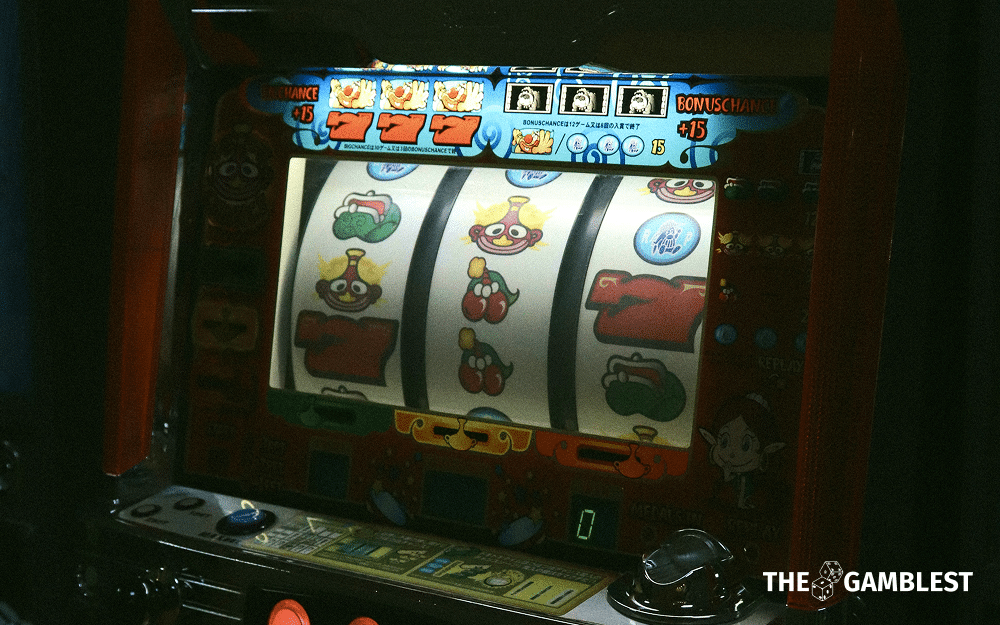
There are over 52,000 slots and other casino games available from approximately 1,280 providers, yet some titles have continued to be popular for years.
The many different slot machines can be seen as a similar experience, but they offer different experiences. Slot game design, a combination of the mechanics, mathematics, presentation, and pacing of slots, is what makes some of them unique.
Reel Structures and Core Mechanics Create a Distinct Identity
Slots are defined by the physical aspects of their game, from the number of reels to the number and form of combinations to special features. They all dictate the pace of the slot game. Two slots with similar themes may feel completely different.
From Classic Reels to Innovative Grid Systems
Classic slots still have a loyal following. They feature three or five reels, classic symbols, and simple gameplay. Starburst from NetEnt is proof that reel structures for slots featuring the classic five-reel configuration still work beautifully with its brilliant graphics and expanding wilds. Bonanza Megaways is an example of reel structures in slots with a variable layout, meaning that the number of winning combinations can vary from spin to spin. Some people like familiarity while others prefer dynamism, and there are many other types of slot games than these two.
Gameplay Mechanics That Change Every Spin
Slot game mechanics also impact what happens after you spin. For instance, a cascade removes symbols from a winning combination and replaces them with new symbols for the chance of a new win without spinning. An expanding wild is a symbol that can expand to fill more positions. Cluster pays replace paylines with sets of adjacent symbols. Other slots add symbols that change or multiply. These elements make a game unique but do not necessarily increase your chances of winning.
| Slot Game | Distinctive Design Element | What It Shows |
|---|---|---|
| Starburst | Five reels and ten fixed paylines, with expanding wilds that trigger re-spins | How simplicity and fast play can hold attention |
| Bonanza Megaways | Six reels with a variable number of symbols and cascading wins | How ways to win can change from spin to spin |
| Gates of Olympus | A 6×5 pay-anywhere grid with tumbling symbols and multipliers | Feature-driven play with variable outcomes |
| Book of Dead | A random expanding symbol during free spins | How one bonus feature can define a game |
The Mathematics Behind an Engaging Slot Game
The slot machine has a mathematical model that calculates the probability of winning, how often it pays, and what each combination pays. The games are tested by independent testing organizations to ensure they are working as they should. As of March 2026, there were 14 testing organizations approved by the UK Gambling Commission, although some are the same ones. Testing organizations monitor the game’s random number generator (RNG), rules, and theoretical return.
RTP, Volatility, and Hit Frequency
Three concepts explain how a slot behaves:
- Return to Player (RTP): the theoretical percentage a game pays back across a very large number of bets. A 96% slot game RTP means an expected $96 per $100 wagered over the long run, not that any player will recover that amount.
- Volatility: how prizes are distributed. High slot volatility usually means bigger but less frequent wins.
- Hit frequency: the share of spins that return any prize, which can be less than the amount staked.
Two slots with an RTP of 96% can be very different. One pays small but frequent wins, while the other pays more for bigger wins.
Balancing Small Wins and Big-Payout Potential
The developers use the factors above in slot game design to define the personality of each game. Some games are designed for a lot of small wins while others have larger payouts but less often, and that determines how your balance will move over time. Even an audited slot can have long periods where no wins occur, and one-off sessions can differ significantly from long-term expectations. Audits ensure that the software does what it was designed to do, but they do not remove the house edge or guarantee winnings.
Bonus Features Should Enhance the Core Gameplay
Free spins, multipliers, jackpots, and special symbols make for a fun ride. Slot bonus features can make a game session more entertaining. But it is not always easy to unlock a fabulous bonus feature or get a big payout from it. The best bonuses enhance the gameplay experience and have simple rules.
Examples of Memorable Bonus Mechanics
Gates of Olympus and Book of Dead slots have their own identity thanks to their bonus features. In Gates, winning symbols are removed and replaced with new ones. Random multipliers can boost wins, and these multiply during free spins. In the Book of Dead’s free spin feature, one symbol is selected at random to expand over all reels, increasing the chances of a winning combination. These bonuses are consistent with the gameplay for each title.
Good bonus design tends to follow four principles:
- Clear rules and understandable triggers.
- Meaningful interaction with the main mechanics.
- A balance between anticipation and feature frequency.
- Visual effects that communicate outcomes without distracting.
High multipliers don’t guarantee winnings.
Visual Identity and Game Pacing Matter
A slot’s first impression is visual: colours, animation, symbols, and sound spark curiosity, but pacing matters just as much, since slow spins or repetitive animation can put off players who want something quick. Starburst pairs striking graphics and readable symbols with an agile mechanic and a steady rhythm, while other titles use cascades, multipliers, and bonus rounds that stretch the action after each spin. Both work when the design matches the experience on offer: visuals can get us to try a game, but pacing and mechanics decide whether we enjoy it.
How Players Can Evaluate Slot Games Before Playing
There are thousands of slots to choose from, so it’s helpful to compare the themes, the pace, the gameplay, the mechanics, the bonus terms, and how much we trust the casino. RTP is a theoretical payout percentage, and volatility is based on how the results are distributed over time. These factors don’t tell you how you’ll do in a given session.
Online slots for real money at BetUS Casino slots are for those who want to try out different game themes and features; they can take a look at the best online slots for Real money and check out the details of each game before deciding on one. Using real money should be recreational, legal, and only for adults, so make sure that the operator is licensed, has clearly explained terms, and offers responsible gambling facilities.
Slots Have the Final Say
Slots are still a hugely popular game. Between January and March 2026, the largest online operators in Great Britain had 4.8 million average monthly active slots accounts and 25.1 billion spins (U.K. Gambling Commission). It is important to note that these figures represent accounts rather than individual players. In a market as competitive as this, the best slot games combine unique gameplay, smart maths, helpful bonuses, a good pace, attractive colours, and sound. Originality and cohesion are more important than features.
Frequently Asked Questions
What makes a slot game stand out from other slots?
The game’s unique play style, reel layout, maths, bonus features, and cohesive graphic design make it unique and memorable.
How does slot game design affect gameplay?
The reel design, symbols, volatility, hit frequency, and triggers determine the speed of the game and the distribution of winnings.
What is the difference between RTP and volatility in slot games?
RTP is the theoretical payout percentage for a very large number of games. Volatility refers to the win size and frequency.
Do more bonus features make a slot game better?
Not necessarily. Extra features can be useful if they support the basic game mechanics and remain clear and fit the experience.