
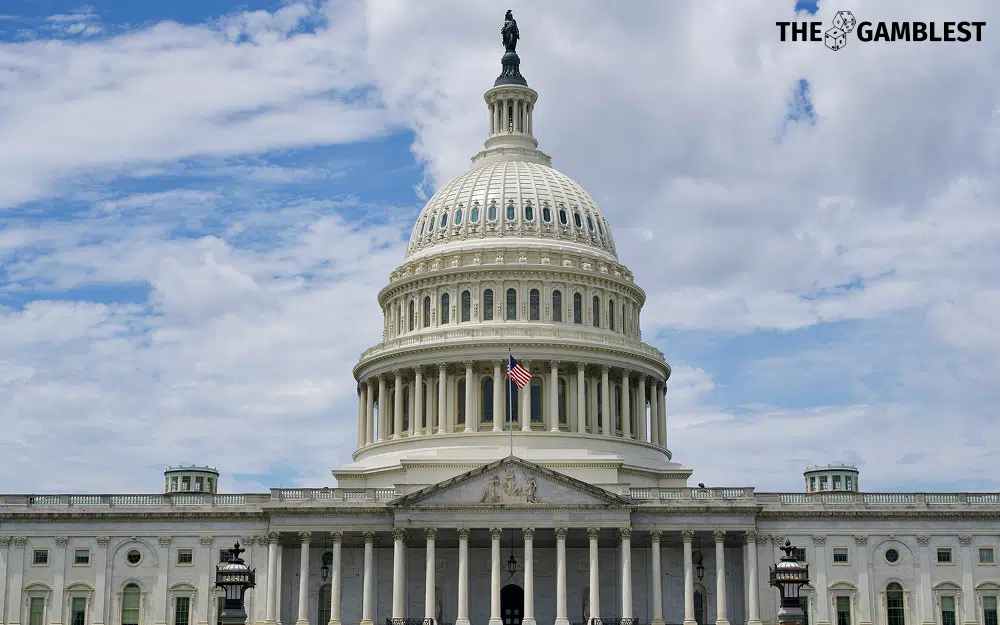
Washington D.C. is moving closer to a major shift in its gambling framework, with new legislation proposing the legalization of online casino gaming alongside a ban on sweepstakes-style gambling apps. The proposal reflects a broader effort to bring unregulated digital gambling activity into a controlled, taxed environment while tightening enforcement against operators seen as exploiting legal loopholes.
The bill, introduced by Councilmember Wendell Felder, would allow licensed operators to offer online casino games such as slots, blackjack, poker, and roulette to players aged 21 and over within the District. At the same time, it explicitly targets sweepstakes casinos, which have operated in a legal grey area across the U.S. and are increasingly under regulatory pressure.
Under the proposed framework, operators would be required to obtain a $2 million license for a five-year term, with renewals set at $500,000. Regulators would oversee identity verification, geolocation controls, cybersecurity standards, and responsible gaming measures to ensure compliance and consumer protection.
The legislation also outlines a strict tax structure, including a 25% tax on adjusted gross revenue from online casino operations. It further proposes that promotional spending be restricted in the early years of implementation, reinforcing a tightly regulated market model designed to maximize tax revenue and reduce offshore gambling activity.
A key component of the bill is the formal prohibition of sweepstakes casinos. Lawmakers argue these platforms mimic casino-style gaming while avoiding traditional gambling regulation, creating risks for consumers and undermining licensed operators. Regulators would be granted authority to issue fines, enforcement orders, and legal action against non-compliant platforms.
Supporters of the proposal say the dual approach—legalization plus enforcement—aims to reduce reliance on offshore gambling sites while creating a safer and more transparent local market. By offering a regulated alternative, officials hope to channel existing demand into a controlled ecosystem with stronger consumer safeguards.
If passed, Washington D.C. would join a growing number of U.S. jurisdictions exploring online casino legalization while simultaneously cracking down on sweepstakes-based gaming models that sit outside traditional gambling laws.